Sharing Collections, Co-writing History
Conversation with Benoît de L'Estoile on how a museum adapts to changes in society and science
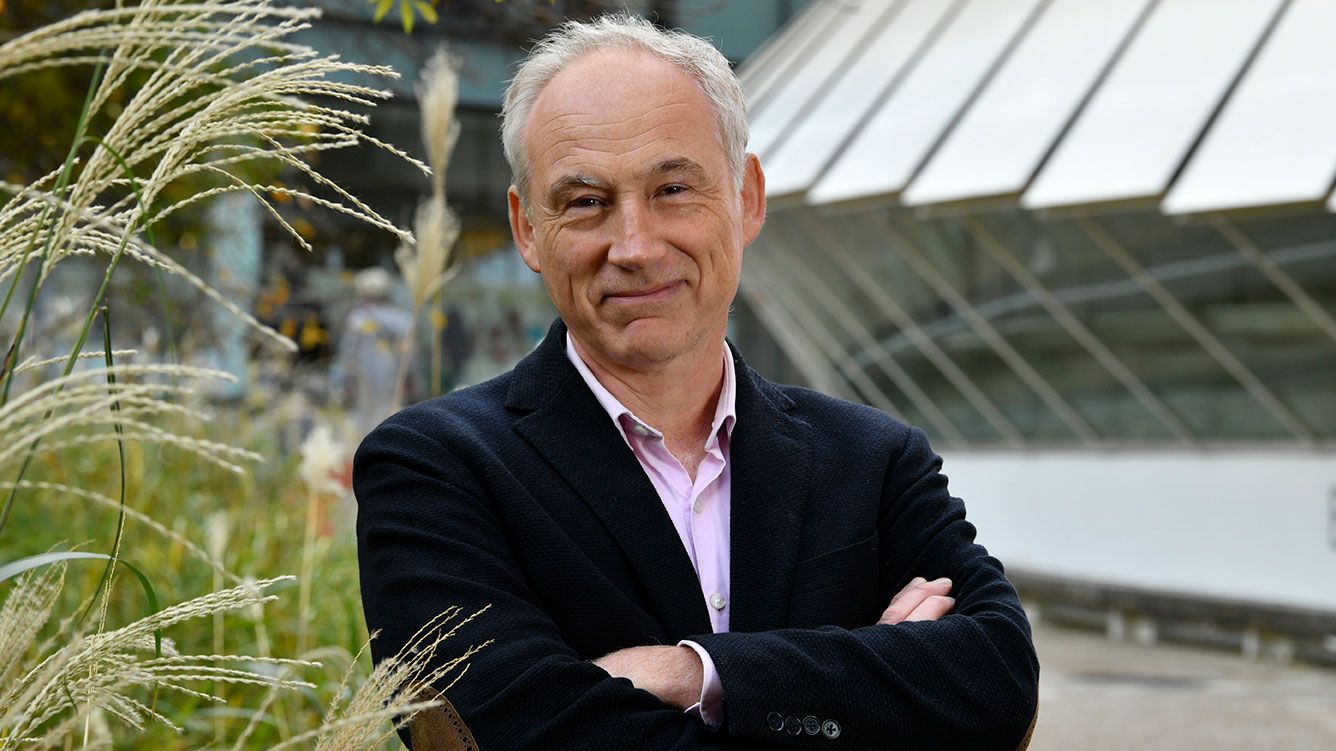
The musée du quai Branly – Jacques Chirac is celebrating its twentieth anniversary in 2026.[1] It welcomes about 1.35 million visitors per year and has a collection totaling over 1 million objects and photographies.[2] How did this museum adapt to changes in society and science over the last two decades? This topic was covered by anthropologist Benoît de L’Estoile, director of the Research and Higher Education Department of the Museum in a lecture[3] at the Ethnographic Museum of the University of Zurich and an interview.[4] De L’Estoile identifies the significant movement within the museum in its shift towards “sharing collections and co-writing history”, which was also the title of the lecture.
“Sharing collections” can be understood and applied at various levels of the museum and its processes:
Firstly, it is about sharing the collected objects with the public instead of storing them away. This involves treating the objects not just as carriers of data, but as bearers of stories with personal values attached to them. Thus, making the objects accessible to everyone is crucial.
Secondly, it is about how the collection is shared. Which objects are being displayed and in which framing? It is necessary for a museum to reflect upon colonial legacies still embedded in its structures. Questions to be considered and integrated in the process of curating exhibitions are located in the field of anthropology of art, in the concept of care in and around museums, in seeing museum objects as (colonial) heritage, and in the inclusion of different public perspectives. It is necessary to improve our knowledge about the collections: emic perspectives on objects can help us understand how we can care for objects beyond simple preservation. De L‘Estoile stresses the transformation of the museum from a “musée des autres” towards a “musée du nous”. In the latter, people can build a relationship of “familiarity” between the objects of their own culture and themselves as visitors of the museum.
The museum implements “sharing collections” through research methods of counter-inquiry, public discussions and conferences in the museum, and partnering with diaspora communities and communities of origin.
When actively including the above mentioned communities in research processes, new knowledge is produced and histories are being co-written, which opens the ground for critical reflection on the museum’s colonial legacies. Through these proceedings, “the objects have lost their former meaning as data for the comparative study of mankind, but they have gained other values”.
But not just objects gain value, it is also the communities and the museum as an institution which profits from a “cultural revitalization”.[5] By transforming the museum into a space for discussion, reflection, research and co-production of knowledge and histories that are accessible for all kinds of people, the museum is turned into an important actor in social debates.[6]
The musée du quai Branly – Jacques Chirac has evolved over the past years and has gained a new role as a place for political change.
[1] Musée du quai Branly – Jacques Chirac. o. D. “Le musée fête ses 20 ans !” Zugriff am 4. Mai 2026. https://www.quaibranly.fr/fr/collections/vie-des-collections/le-musee-fete-ses-20-ans
[2] Musée du quai Branly – Jacques Chirac. o. D. “Chiffres clés.” Zugriff am 4. Mai 2026. https://www.quaibranly.fr/fr/missions-et-fonctionnement/chiffres-cles/
[3] De L’Estoile, Benoît. 2026. “Sharing Collections, Co-writing History.” Talk at the Ethnographic Museum at the University of Zurich, 03.03.2026.
[4] Interview with Benoît de L’Estoile. Conducted in-person on 03.03.2026 at the Ethnographic Museum at the University of Zurich. Interviewers: Meret Lacher, Max Blessing, Thierry Schneeberger.
[5] Brandy, Everett; Elizabeth Ellis; George Ironstrack; Ryan Spring; Ian Thompson and Logan York. 2025. “Cultural Revitalization in our Communities Today: Why it Matters, How it is Achieved, and Where it Leads.” Gradhiva 40: 136–155. doi: 10.4000/15624.
[6] Müller, Bernard. 2025. “Penser le musée en relation – entretien avec Benoît de L’Estoile.” TogoCultures- Arts et Cultures. Zugriff am 15. Mai 2025. https://togocultures.com/penser-le-musee-en-relation-entretien-avec-benoit-de-lestoile/