Things in Motion – Vienna Museum of Science and Technology (Lena Dennebouy & Angelika Kubinski)
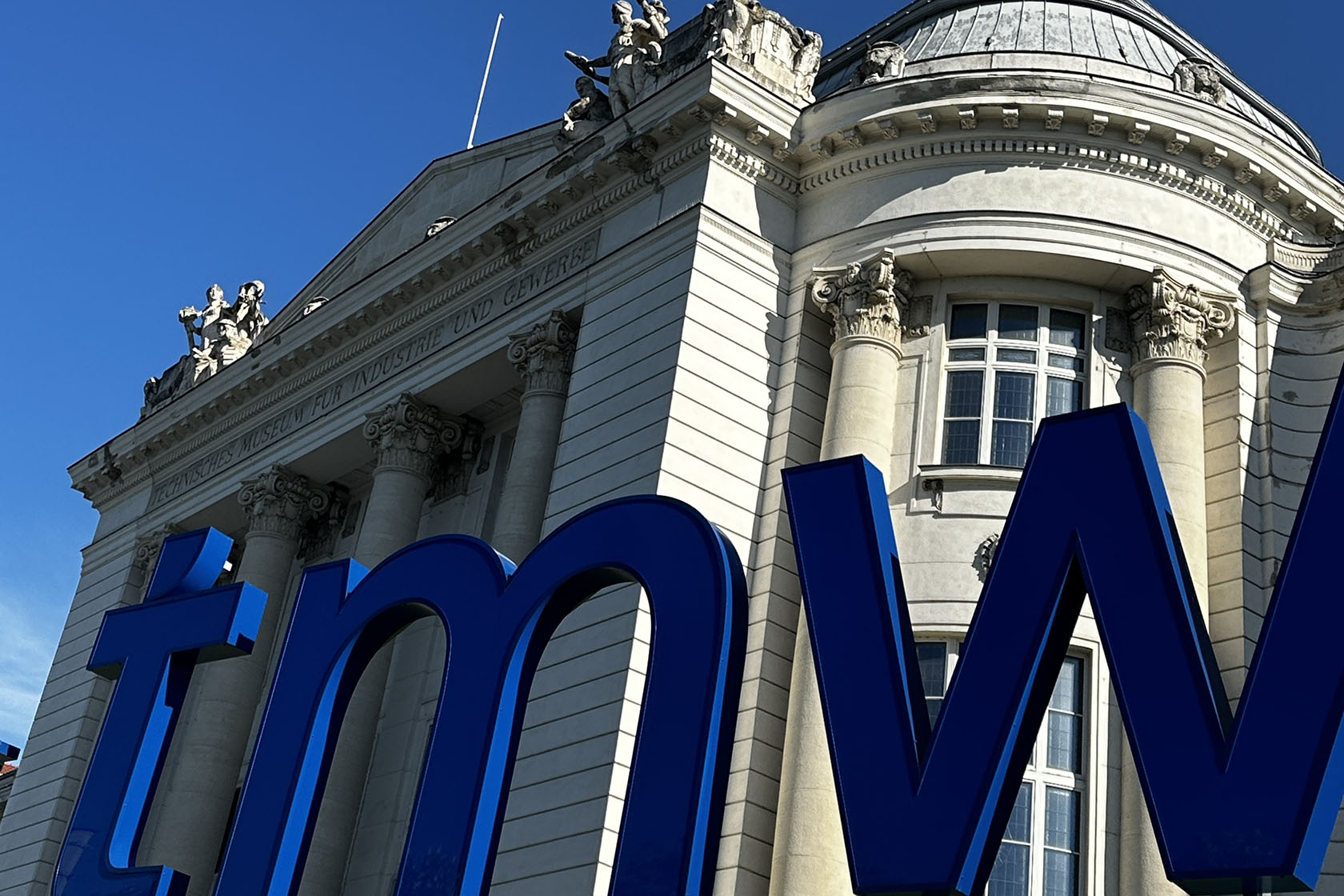
At the Vienna Museum of Science and Technology, we explored how technical and everyday objects are narrated, reread, and given new meanings through changing contexts and relationships. Rather than focusing on individual objects, we considered how their stories unfold through their connections with other things and with us as visitors.
-
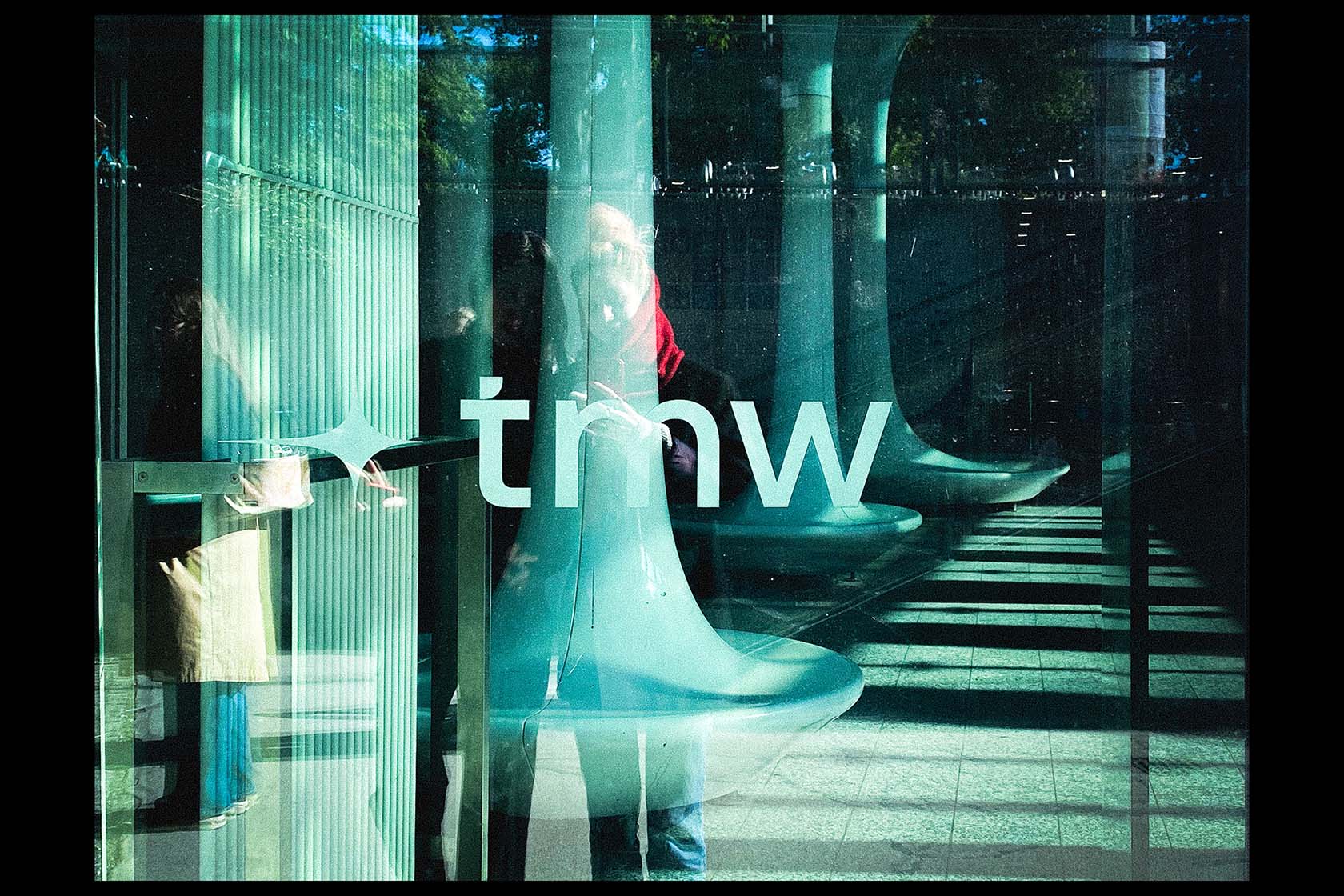 Figure 1: Mirrored Lena and Angie at the entrance of the Vienna Museum of Science and Technology. Photo by the Authors.
Day four of our exkursion “Vienna - City of 100 Museums”, led us to the Vienna Museum of Science and Technology, one of the major federal museums. In resonance with Joachim Baur’s text, “Beziehungsweise Museum”, our visit to the museum did not focus on individual exhibits, but rather on the relationships between the objects, us, and through that we attempted to read the exhibition in a polyphonic way (Baur 2025). The question that accompanied us along the way was less about which technical achievements are exhibited here, but rather how technical and everyday objects are narrated. How can things be reread? What stories do they carry within themselves? And how does their meaning change when they are placed in new contexts? The Museum addresses these questions not by presenting individual “masterpieces” of technology, but through exhibition formats that make relationships visible and understand objects as living carriers of shifting meanings. For us, this was particularly impressively demonstrated in three different forms of engagement with objects: in active participation and experiencing the exhibition (chapter Timetable), in approaching objects through their relationships to other things (chapter Object Constellations), and in observing how objects acquire new meanings and stories over time (chapter The Life of Things & Over and Beyond).
Timetable
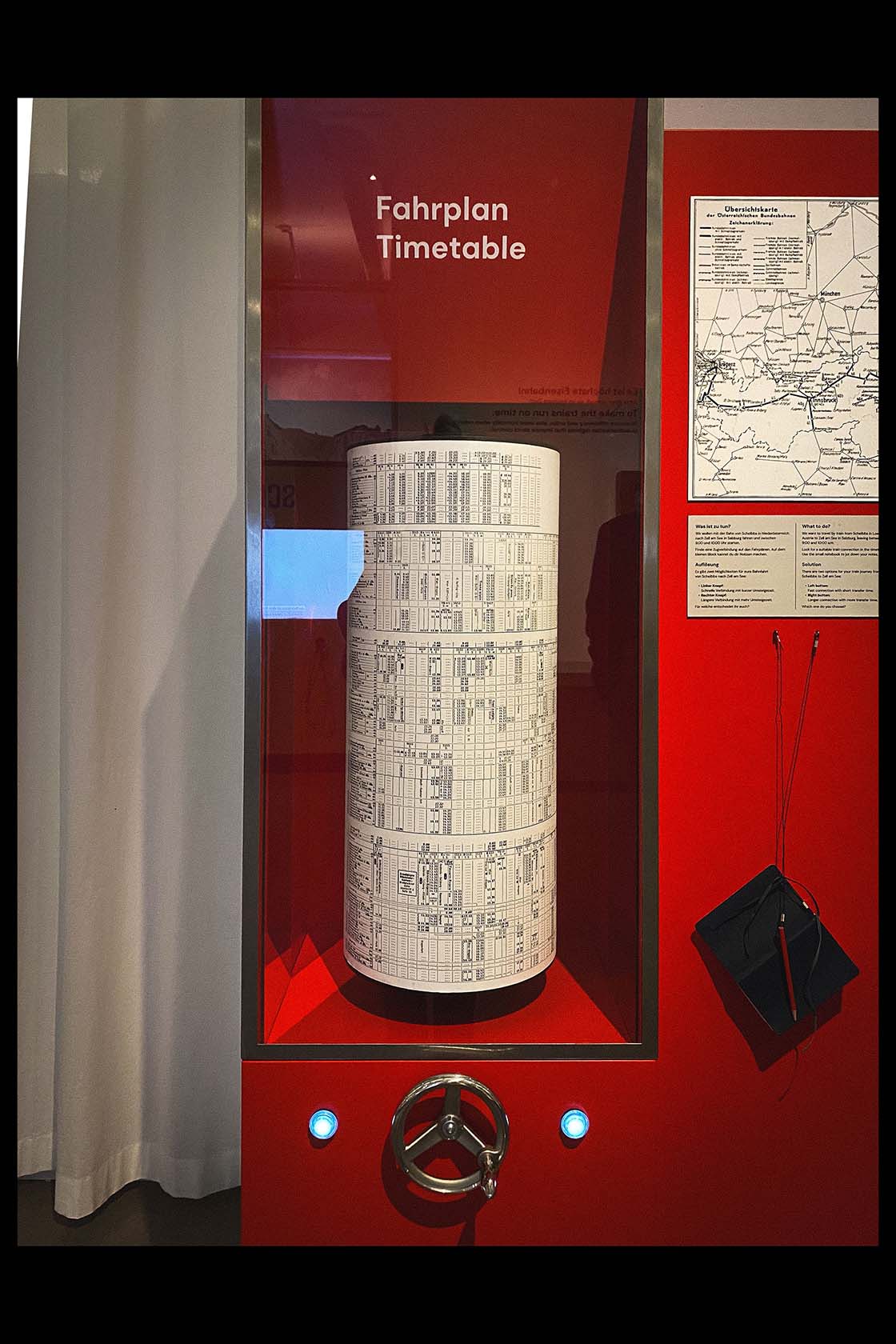 Figure 2: Timetable. Photo by the Authors.
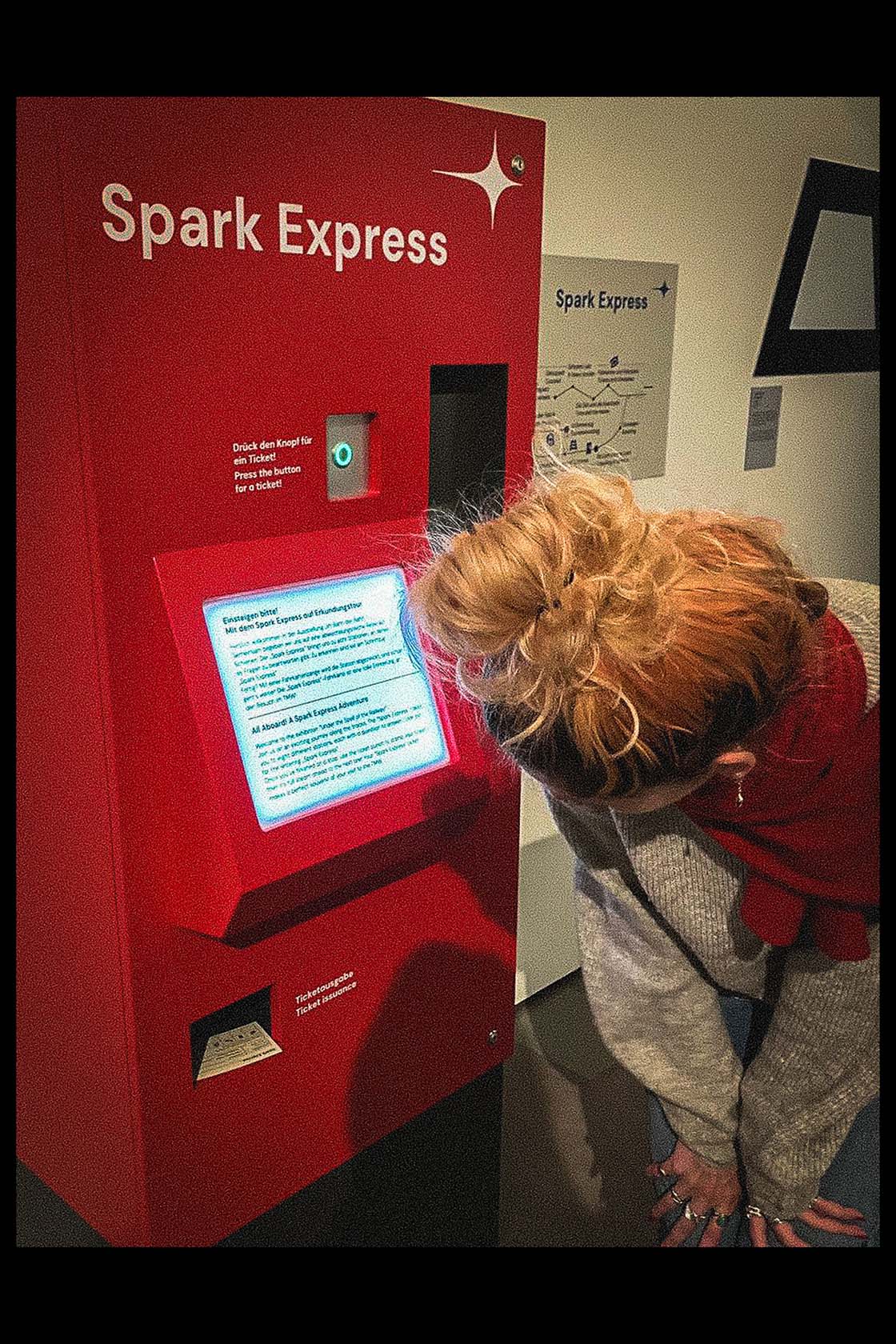 Figure 3: Spark Express. Ticket machine. Photo by the Authors.
In the first exhibition, “Under the Spell of the Railway”, visitors become active participants through the interactive “Spark Express” even before engaging with the exhibition's objects. Upon entering, they need to push a button to receive a ticket that can be stamped at various stations throughout the museum. Serving as a personal route through the exhibition, the ticket uses the railway as a central motif of orientation, movement, and participation.
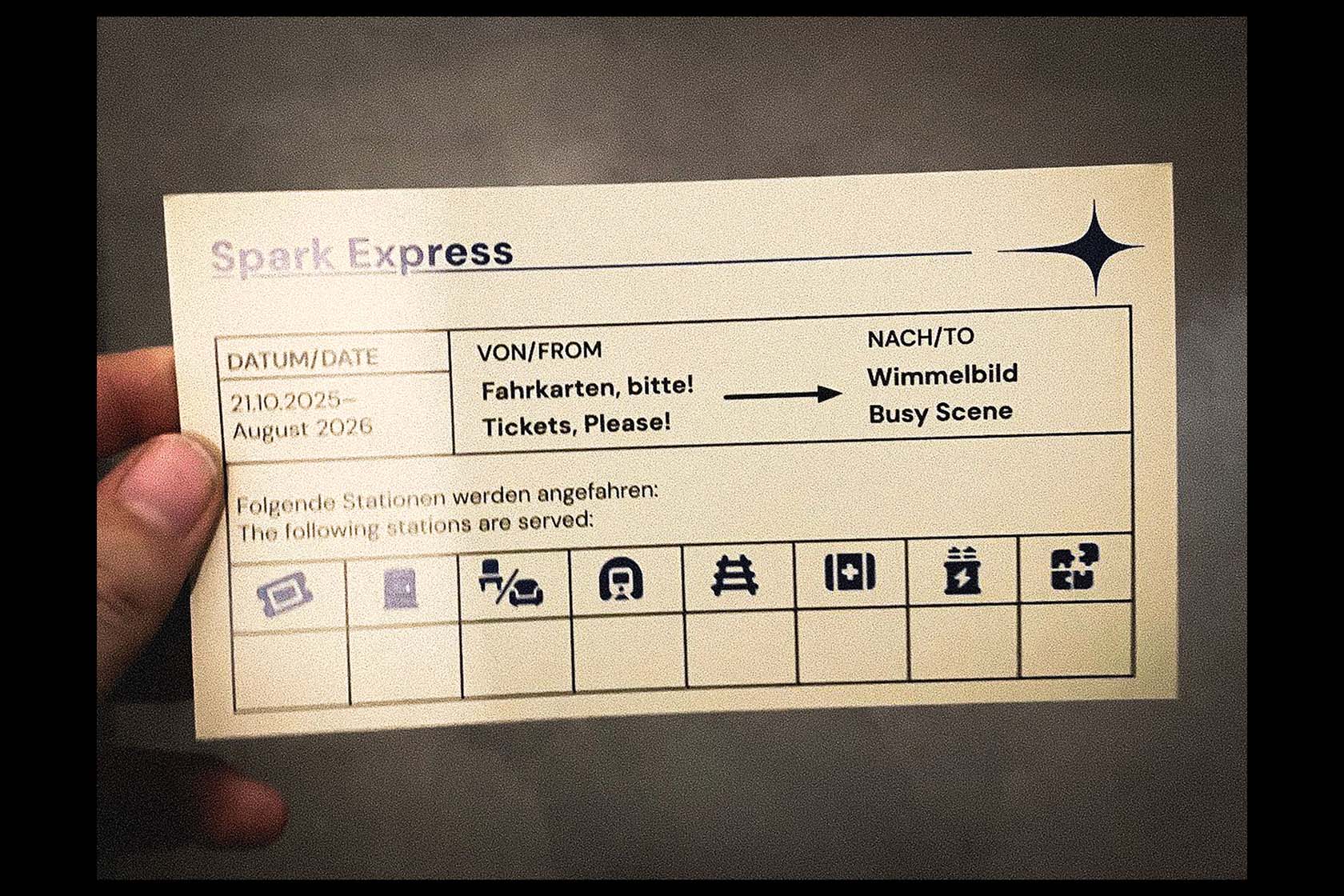 Figure 4: Spark Express Ticket. Photo by the Authors.
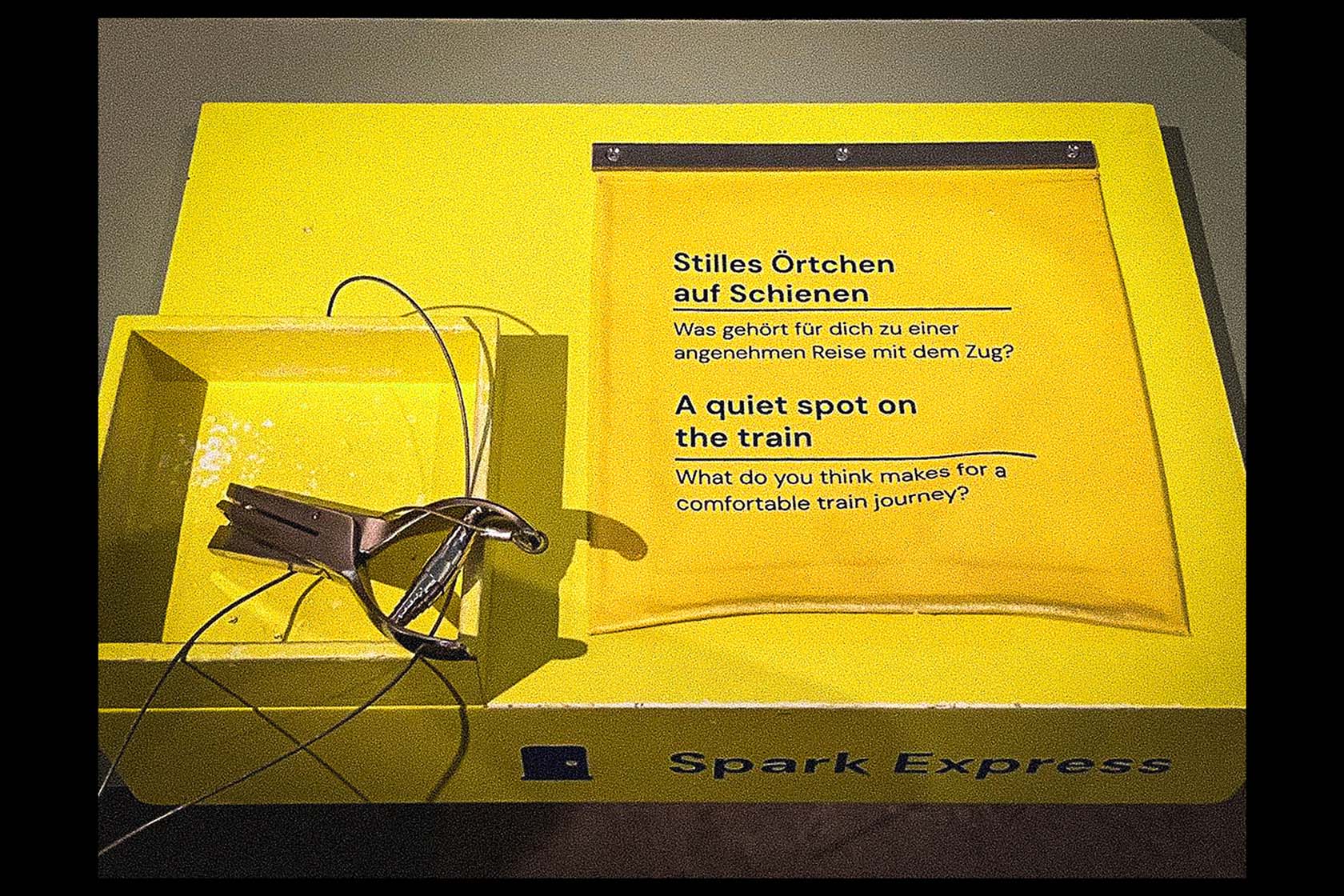 Figure 5: Stamp. Photo by the Authors.
Our attention was particularly drawn to the ticket puncher and the narratives attached to this seemingly simple object. During our visit, Alina Strmljan, the exhibition's project manager and one of our guides, explained that the activity was specifically conceived as an experience that grandparents and grandchildren could undertake together. In our imagination of this object, for grandparents the ticket puncher may evoke memories of past railway travel, the ticket puncher having been stored back in the back for more recent digital versions of ticket checking. For children, however, the object may be associated with fictional representations such as The Polar Express or with familiar manual activities encountered in school and craft projects. What is significant is that these different interpretations coexist within the same object. The ticket puncher simultaneously operates as a vehicle of nostalgia, a trigger for imaginative associations, and a tool for shared participation. Through the activity, the object acquires yet another meaning: it becomes part of a collective experience between family members or visitors. It carries multiple narratives, a remembered past, an imagined world, and the future memory of a moment spent together. The ticket puncher shows how museum objects can function as polyphonic entities, capable of resonating through different identities while also generating new meanings through a moment spent together.
Object Constellations
A central feature of the exhibition, as well as other areas of the museum, is the way objects are combined and enter into relationships with each other. Instead of presenting technical developments exclusively chronologically or by subject area, the juxtaposition of different objects creates new narratives and connections. One example was a historical advertisement promoting comfort in railway travel displayed alongside a pillow featuring Empress Sisi. Through this pairing, the exhibition moved beyond a simple celebration of technological progress and instead raised questions about who was able to experience comfort while travelling. The combination invited visitors to reflect on class distinctions, privileges, and the unequal access to luxury within railway travel. Comfort thus appeared not as a universal experience but as a socially differentiated one. Another object combination paired an advertisement for buffet services on trains with a branded tea set. Together, these objects demonstrated how the meanings of railway culture extend beyond the practical operation of transportation. While the advertisement emphasized dining as part of the travel experience, the tea service pointed to the ways railway culture can persist through souvenirs, collectibles, and nostalgic memories. The combination revealed how objects associated with train travel continue to circulate long after their original context, carrying with them personal recollections and broader cultural imaginaries of mobility, elegance, and hospitality (see Fig. 6. and 7).
-
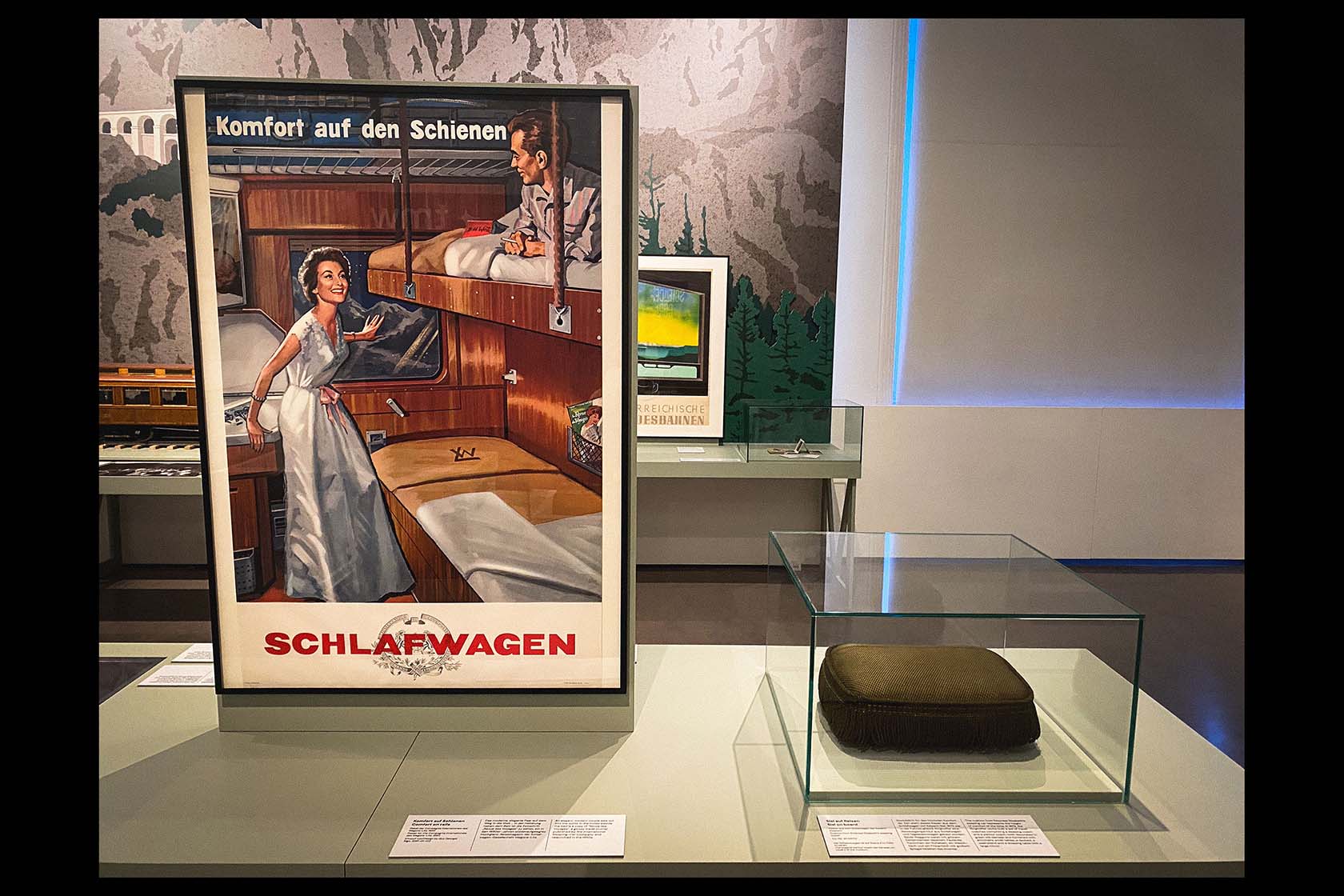 Figure 6: Comfort on Rails. Photo by the Authors.
-
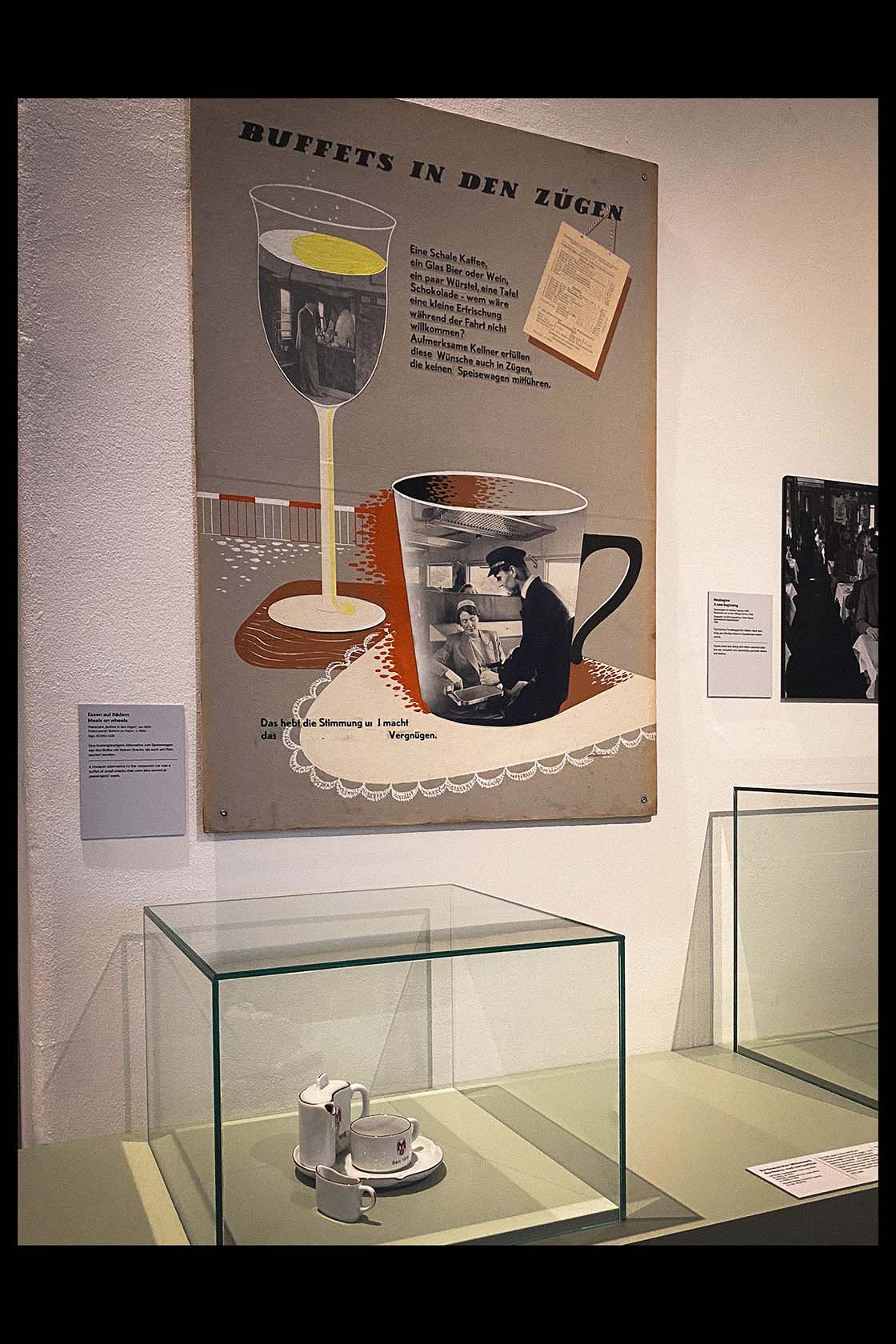 Figure 7: Onboard Train Buffets. Photo by the Authors.
These combinations of things make it possible to view familiar objects from unusual perspectives. Meaning does not arise solely from the individual object, but through its relationship to other things or other narratives. The exhibition makes it visible that historical narratives are not fixed, but can always be rearranged and retold. In this way, the museum becomes a place where objects enter into a dialogue with each other and bring forth new interpretations (Baur 2025).
The Life of Things
-
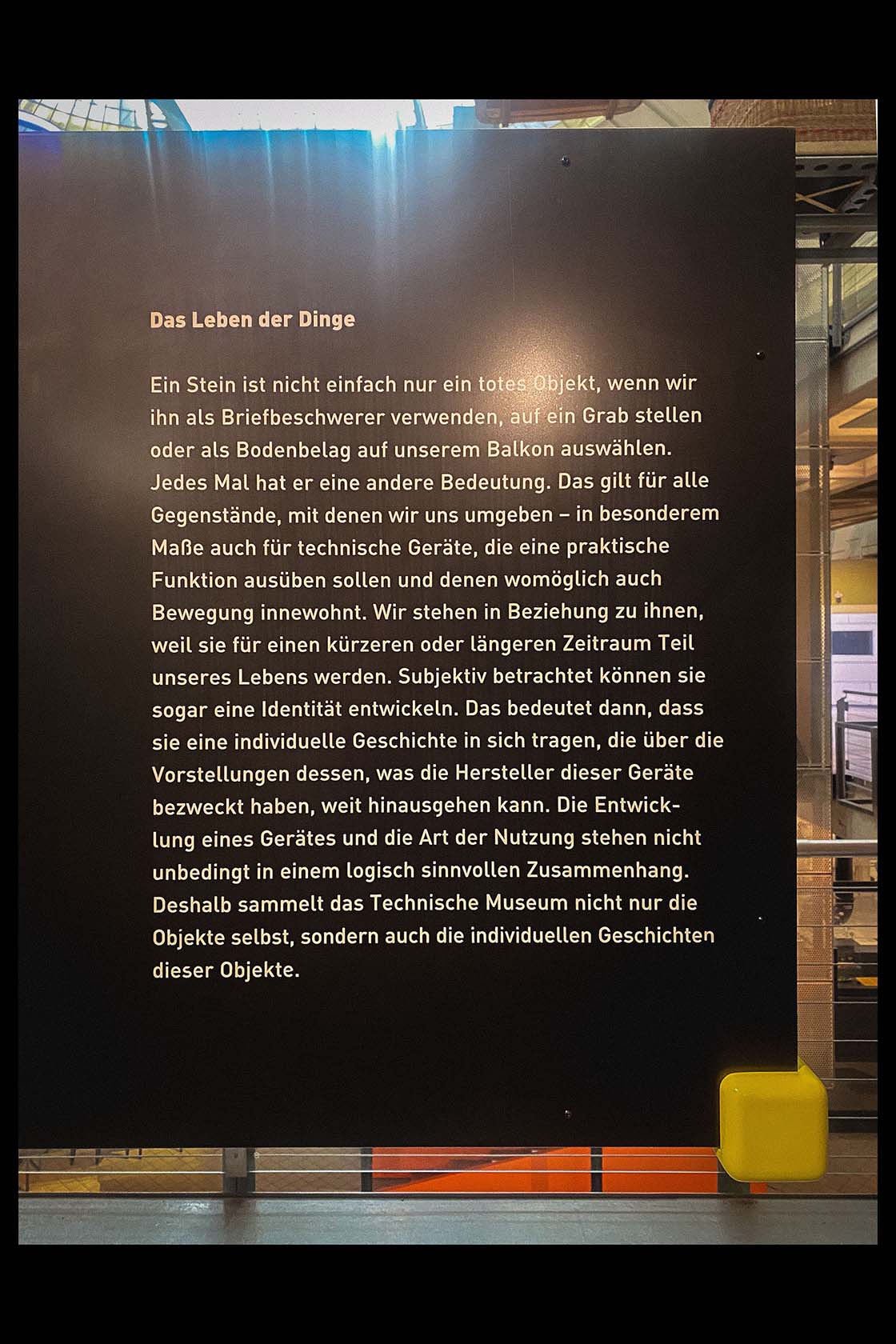 Figure 8: The Life of Things. Photo by the Authors.
We explored the concept of “the life of things” further in the museum’s permanent exhibition Alltag. Eine Gebrauchsanweisung. A text panel introduces the idea that objects are not fixed entities with a single meaning but acquire different significances through their uses and contexts. This is illustrated through the example of a stone. Rather than being understood as a “dead object”, the stone is presented as something multiple: a paperweight, or to be placed on a grave as a gesture of remembrance, or can function as paving material. In each of these uses, the stone remains materially the same, yet its meaning attached to it adapts (see Fig. 8). An instance of this multiplicity was found in a display case on the history of medicine (see Fig. 9). A new object was added there after the Corona pandemic: the horse dewormer Ivermectin-P. While the drug was originally developed for veterinary purposes, it gained a new social significance during the pandemic through public debates, conspiracy narratives, and alternative promises of healing. By being placed in the display case, the dewormer is set in relation to other medical objects. It does not only refer to the pandemic, but simultaneously opens up fundamental questions about what constitutes medical efficiency and how trust in medical knowledge is built. In juxtaposition with other objects (such as homeopathic globules or historical remedies) a broader reflection on medicine, evidence, and belief emerges. The object thus functions not only as a witness to the pandemic, but as a starting point for discussions about the conditions of knowledge and efficacy.
-
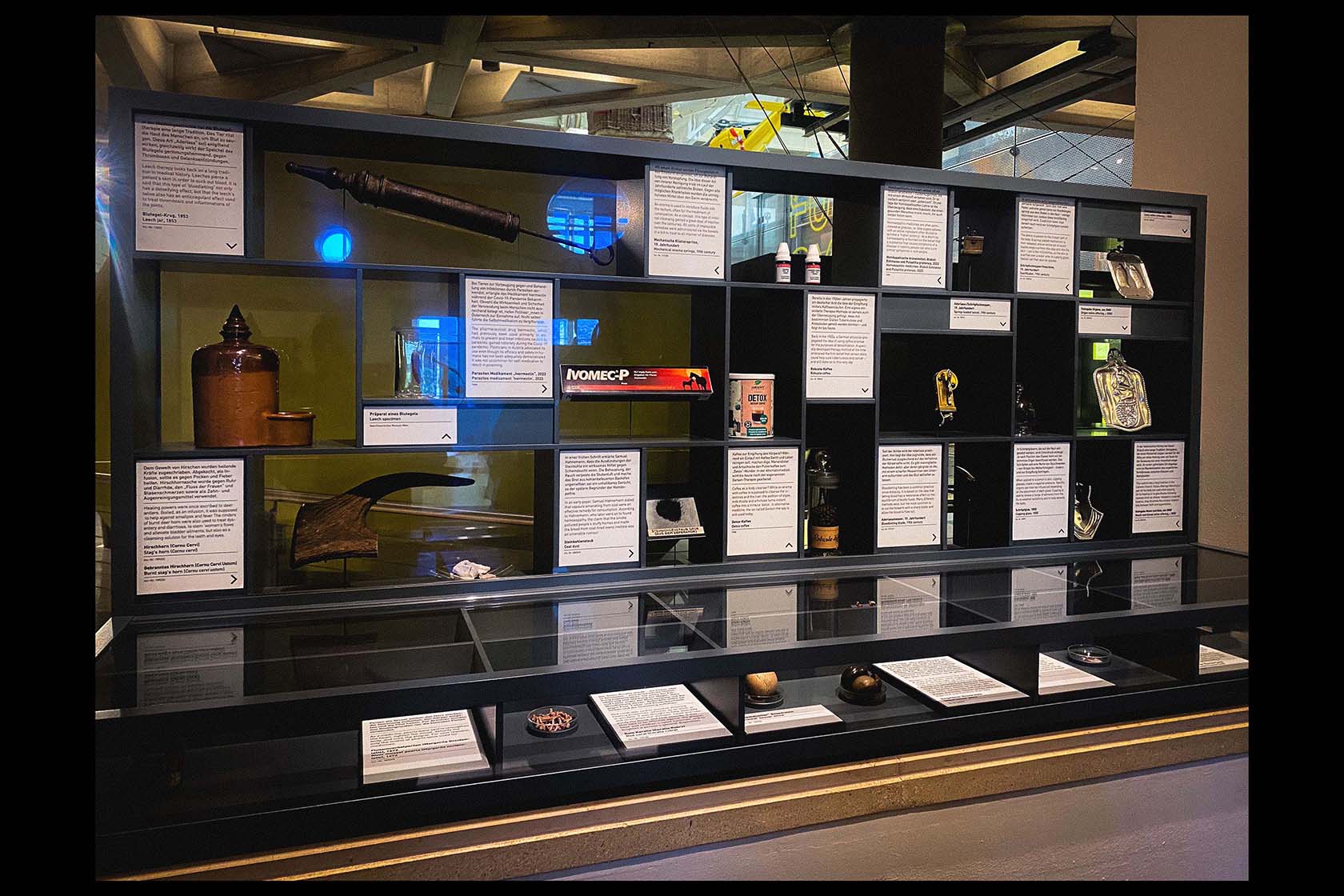 Figure 9: Medical Display Case. Photo by the Authors.
One could speculate about a future in which the stone also appears in a railway exhibition. Through a significant event, such as an accident, it could acquire a new social meaning and become part of a narrative about railway history. While the stone would seem out of place in such an exhibition today, it could in the future function as a witness to that event, this possibility shows the open-ended biographies of objects and the renegotiation of their meaning through time (Bell 2017).
The fact that the “life of things” is significantly shaped by who reads them, how they are read, and in which context they are interpreted is also explored by Sophie Gerber in her book Geschlecht als Gegenstand – Genderinformierte Objektforschung im Technikmuseum. Rather than treating technical objects as neutral artefacts, Gerber - the museum‘s curator responsible for the collections of household technology - analyses how they are implicated in the production, representation, and negotiation of gender relations. She demonstrates that objects do not possess fixed meanings but acquire different significances depending on the social perspectives, practices, and gendered assumptions through which they are interpreted (Gerber 2025). Gerber further argues that similar perspectives are reflected in the educational programmes of the Vienna Museum of Science and Technology. Since 2004, the museum has offered the guided tour Patente Frauen, which uses objects such as the Frankfurt Kitchen or Curie’s electroscope to highlight women's contributions to science and technology (Gerber 2025). Over time, these formats have expanded beyond biographical narratives and binary understandings of gender, opening up broader perspectives on how objects can be read and interpreted.
During our guided tour, we were also briefly introduced to the format of Queer Reading Objects, which further develops this approach by uncovering histories and meanings that often remain invisible within conventional museum narratives. Sophie Gerber, our second expert guide, showed us one example: the “Wiener Pavillon-Pissoir”, a public urinal displayed in the museum (tmw-Website). While at first glance it appears to be an ordinary piece of urban infrastructure, a queer reading reveals its significance as a site of social interaction and connection. Until 1971, homosexuality was criminalized in Austria, and queer people faced legal and social discrimination. In this context, public and semi-public spaces such as parks, baths, bars, and public toilets became important meeting places. The Wiener Pavillon-Pissoir thus points to the practice of “cruising”, the search for social and sexual encounters between men in public space. As a museum object is also a material witness to queer histories, forms of resistance, and strategies of creating intimacy under conditions of exclusion. Through those tours, the museum demonstrates how objects can reveal hidden histories and invite visitors to reconsider established interpretations.
Over and Beyond
The shift towards more diverse and inclusive readings of objects does not only affect exhibition narratives and educational formats but also influences the museum’s collecting practices. As new perspectives emerge, museums increasingly recognize gaps within their collections and actively seek objects that can represent previously overlooked experiences and histories. During our tour, we learned that the Vienna Museum of Science and Technology addresses this challenge through initiatives such as open calls, inviting the public to contribute objects and stories connected to specific themes. Rather than viewing collections as fixed repositories of the past, this approach understands them as evolving assemblages that continue to grow alongside societal change. Collecting thus becomes an active process of negotiating which histories are preserved, whose experiences become visible, and which objects are considered worthy of entering the museum. Objects are not presented as closed testaments to the past, but as living actors whose meanings change continuously. The exhibition and museum show how objects can constantly be read anew through new contexts, social debates, and shifting viewpoints, and the Vienna Museum of Science and Technology show how museums can create spaces in which such reinterpretations become possible.
Technisches Museum Wien. Mariahilfer Straße 212, 1140 Wien. Eintritt Vollpreis 18 €, Mo-Fr 9-18, Sa & So 10-18.00 Uhr. www.technischesmuseum.at
Literature
Baur, Joachim: Beziehungsweise Museum. Paradigmenwechsel 1993/2023. In: Renate Flagmeier u.a. (Hg.): Werkbundarchiv – Museum der Dinge. Objekte, Ausstellungen, Räume. Eine Museumsgeschichte. Leipzig: Spector 2025, S. 218–227.
Bell, Joshua A.: A Bundle of Relations: Collections, Collecting, and Communities. In: Annual Review of Anthropology 46. 2017, S. 241–259.
Gerber, Sophie: Geschlecht als Gegenstand. Genderinformierte Objektforschung im Technikmuseum. Bielefeld: Transcript Verlag 2025. URL: https://www.transcript-verlag.de/978-3-8376-6530-7/geschlecht-als-gegenstand/?number=978-3-8394-7817-2(Zugriff: 25.09.26)
Tmw Que(e)r gelesen. Sophie Gerber, Rosalie Lorenz und Elliot Steixner, 2023. URL: https://www.technischesmuseum.at/museum/tmw-zine_-_unsere_storys/ki_zine/magazin_detail&j-cc-id=1702268441218&j-cc-node=magazineintrag&j-cc-name=hybrid-content(Zugriff: 31.05.26)