OFFGRID: Energy Futures in Southeast Asia
Funded by the Swiss National Science Foundation (SNSF), OFFGRID examines how small-scale and decentralised renewable energy systems become part of everyday life in rural and urban settings in Indonesia and Vietnam. Launched in August 2026, the project brings together four ethnographic subprojects focusing on rural Indonesia, urban Indonesia, rural Vietnam and urban Vietnam.
Rethinking energy transition
Energy is one of the defining concerns of our time. Confronted with the twin crises of climate change and continued dependence on fossil fuels, many see renewable energy as a lifeline to a more sustainable future. Images of renewable energy transition, however, are usually dominated by large-scale infrastructures: wind turbines towering over landscapes, massive hydropower dams blocking rivers, expansive solar farms and geothermal plants supplying national electricity grids. These highly visible projects symbolise energy transition on a grand scale and reinforce the idea of a linear shift in which fossil fuels are gradually replaced by renewable sources.
OFFGRID begins from a different perspective. It turns attention towards the smaller and less visible energy systems found in homes, farms, villages and urban neighbourhoods: a cluster of solar panels supplying a village microgrid, a rooftop installation supporting a family business or a solar lantern illuminating a household beyond the reach of the electricity grid.
At these smaller scales, energy transition rarely follows a straightforward path. Households and communities must cope with shortages, breakdowns, changing energy needs and fragile infrastructures. Rather than simply replacing one energy source with another, they may combine grid electricity, solar power and other sources, adding, layering and modifying technologies or returning to older systems when newer ones fail to meet their needs. From this perspective, energy transition is not a clean break between an unsustainable past and a renewable future. It is an uneven and contested on-the-ground process characterised by improvisation, maintenance, failure and the coexistence of old and new energy systems.
Energy in everyday lives
Across Southeast Asia, small-scale solar technologies are becoming increasingly important to households and communities. These range from rooftop solar panels in cities to off-grid systems serving rural villages, farms and other places beyond centralised electricity networks. Such technologies promise cleaner, more reliable and more accessible energy.
This development is particularly significant in Indonesia and Vietnam, where renewable energy is increasingly promoted through national climate and development policies. Although policy discussions often emphasise national targets and large-scale infrastructure, the implementation of renewable energy is shaped by diverse local conditions and existing social inequalities.
In practice, access to small-scale renewable energy remains uneven. Technologies break down, energy needs change, and systems require continuing maintenance, repair and care. Households and communities must adapt to unreliable infrastructure, limited technical support and changing economic circumstances. These everyday negotiations shape whether renewable energy systems endure, whom they benefit and what kinds of futures they make possible.
OFFGRID therefore approaches energy transition not simply as the replacement of fossil fuels with renewable technologies, but as a social and material process. It asks how people make these technologies work in practice and how renewable energy reshapes relationships within households, communities and wider institutions.
Research approach: following the social lives of energy systems
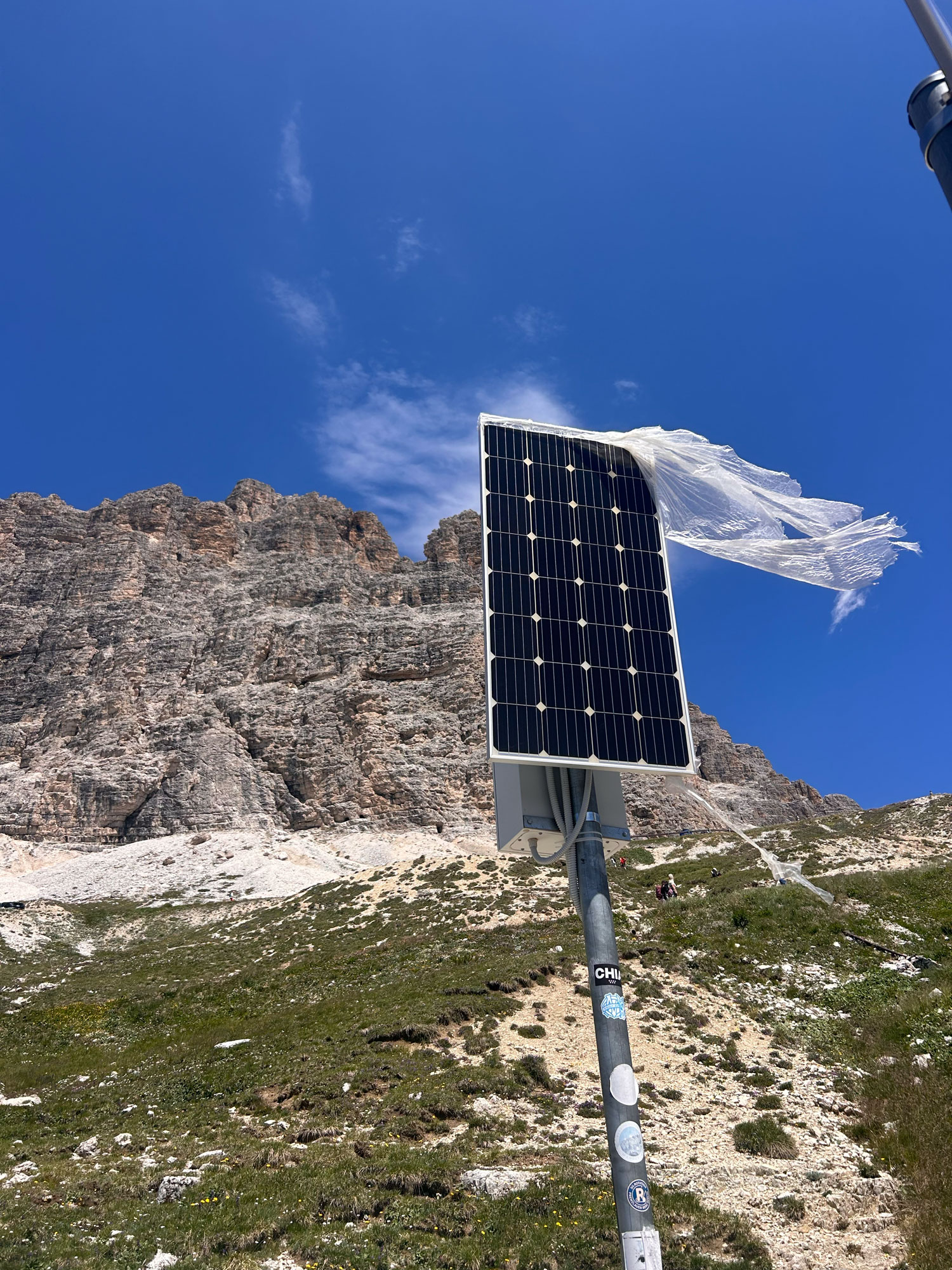
OFFGRID uses multi-sited ethnographic research across rural and urban locations in Indonesia and Vietnam. Rather than evaluating energy transition primarily through technological performance, policy targets or financing, the project follows renewable energy systems through their social lives: from planning and installation to everyday use, maintenance, repair, breakdown, adaptation and, in some cases, abandonment. This approach makes visible the often-overlooked work required to sustain renewable infrastructure.
The research examines how energy systems become embedded in domestic routines, livelihoods and community life. It explores how households and communities reorganise their activities around changing energy arrangements; how renewable technologies redistribute labour, care and responsibility; and how gender and class relations influence access, control and decision-making. It also considers how people negotiate the costs, risks and benefits associated with adopting and maintaining new technologies.
These everyday experiences are connected to wider networks of governance and expertise. The project follows relationships among households, communities, technicians, private companies, government agencies, non-governmental organisations and funding institutions. In doing so, it investigates how decisions made within homes, farms and neighbourhoods interact with broader policy, governance and investment frameworks.
Bringing these different scales together allows OFFGRID to develop a sociomaterial and temporal understanding of energy transition. Energy systems are treated not as isolated technologies but as an assemblage of material components, infrastructures, knowledge, institutions and social relationships. These interconnected elements do not necessarily change at the same pace or move in the same direction. New technologies may be introduced without adequate repair services, policy ambitions may conflict with local priorities, and systems designed for particular needs may become inadequate as household circumstances change.
Project team
The OFFGRID team brings together researchers working across four interconnected subprojects. Professor Annuska Derks leads the project as the Principal Investigator and focuses on research on urban Vietnam. Dr Annisa Sabrina Hartoto focuses on rural Indonesia, Mutiara Kurniasari conducts research in urban Indonesia, and Trang Bùi examines rural Vietnam. Collaboratively, the team investigates how energy transitions are experienced, negotiated and shaped through changing social relations, material infrastructures and everyday practices.
Project partners
OFFGRID works in close collaboration with two regional partners: Professor Pujo Semedi from the Department of Anthropology at Universitas Gadjah Mada, Indonesia, and Professor Nguyen Tuan Anh from Vietnam National University, Hanoi. As principal collaborators in their respective countries, they facilitate research relationships and fieldwork access, contribute regional expertise, and support the recruitment and co-supervision of doctoral researchers. Their participation in project workshops will also strengthen comparative analysis across the Indonesian and Vietnamese research sites.