The Local Lives of Built Heritage: Community Perspectives on Archaeology, Conservation, and Identity-Making in Post-Soviet Uzbekistan
Dilafza Haydaraliyeva
This doctoral project examines the role of cultural heritage in the construction of national identity in post-Soviet Uzbekistan. Focusing on the Timurid legacy, archaeological heritage, urban conservation practices, and reform-era narratives of modernization and openness, the project explores how the past is mobilized to negotiate ideas of history, authenticity, belonging, and global recognition.
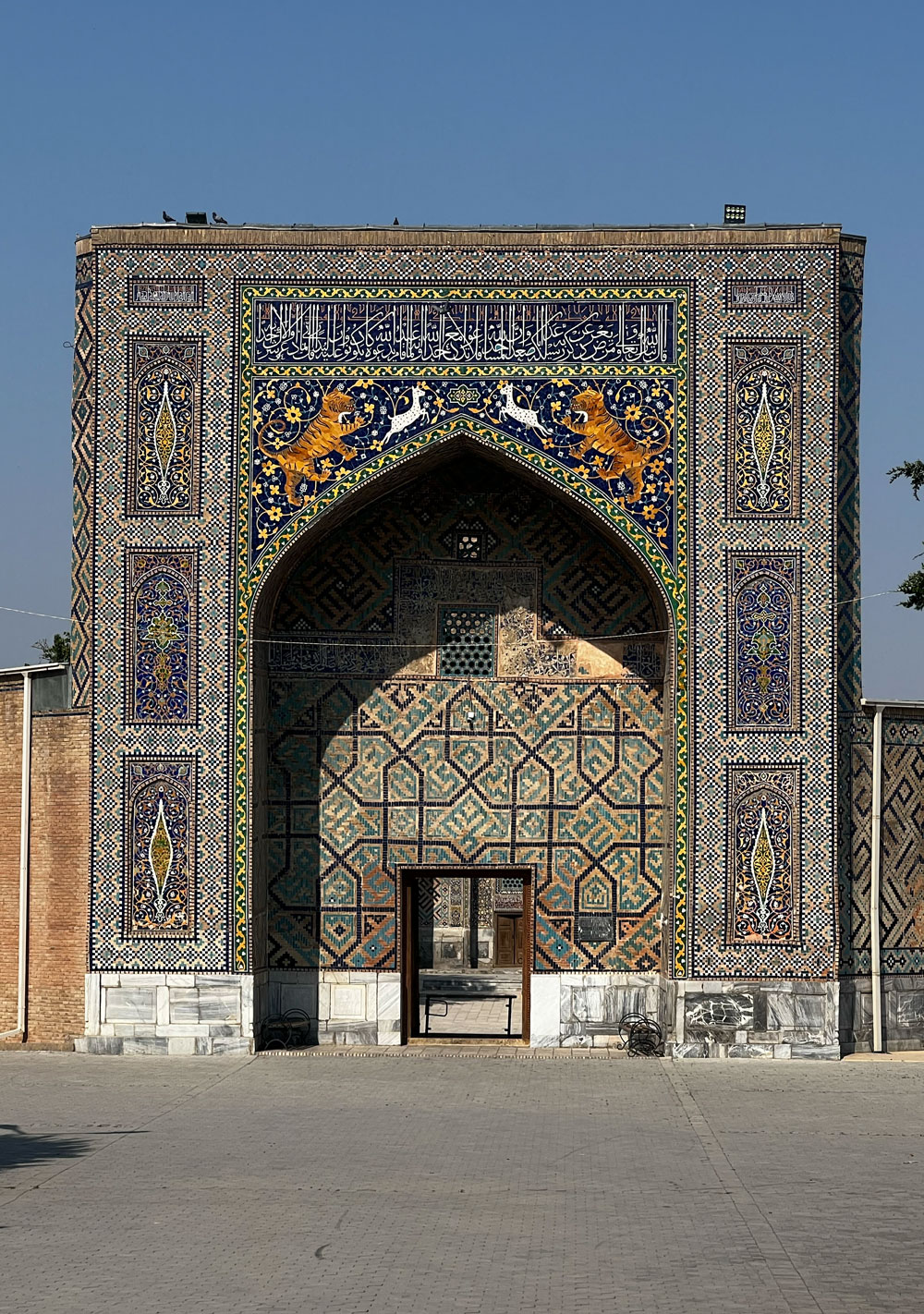
The project is grounded in an interdisciplinary methodology that brings anthropological ethnography into dialogue with archaeology, material culture studies, and conservation research. Rather than approaching heritage only as discourse or policy, it examines how archaeological sites, monuments, restored urban spaces, museum collections, architectural surfaces, and conservation practices actively shape historical knowledge and national imagination. In this sense, the project situates cultural heritage within an archaeological and conservation paradigm, asking how material remains are interpreted, preserved, transformed, and made meaningful in contemporary Uzbekistan.
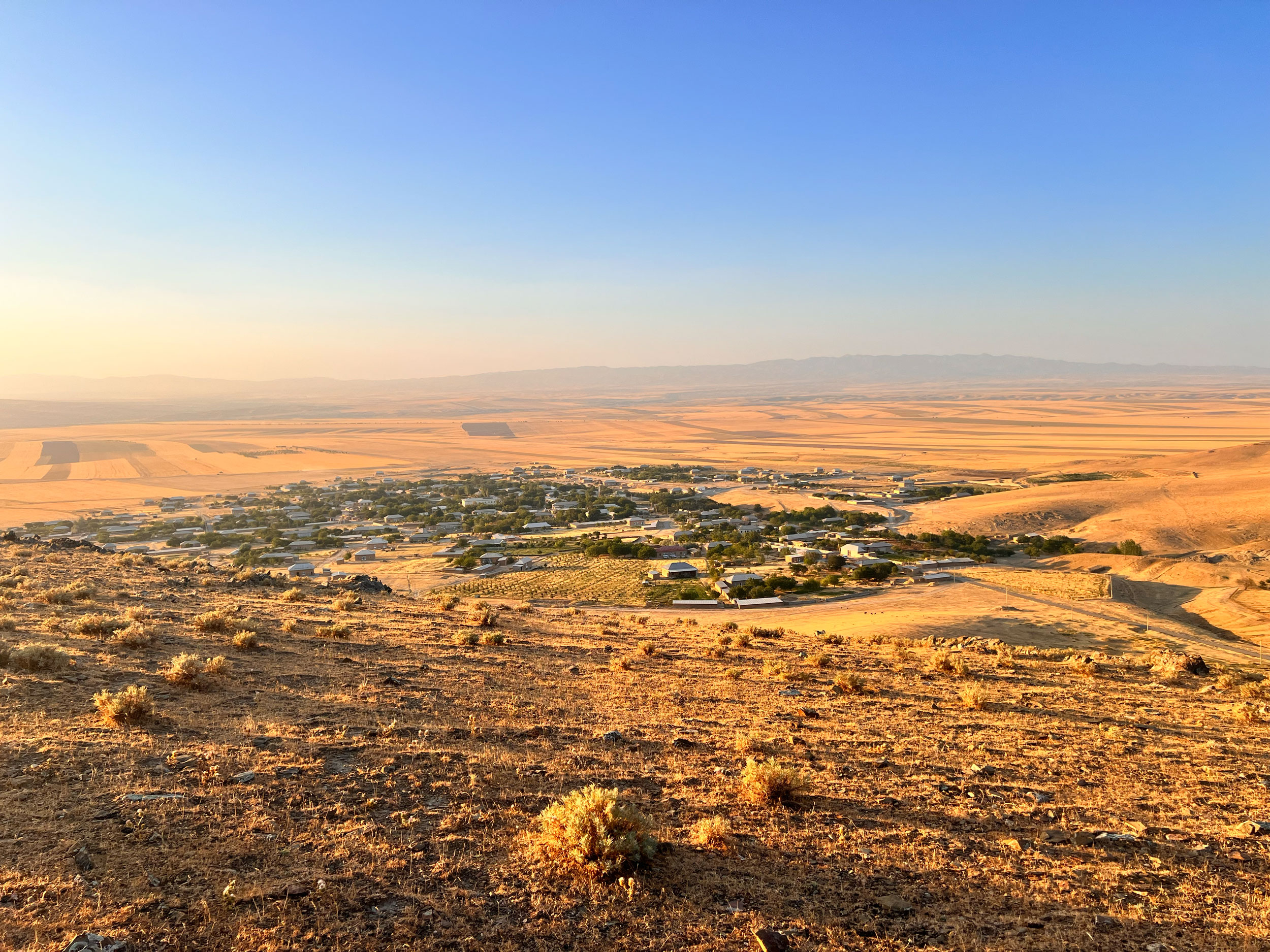
At the centre of the research is a community-based ethnographic approach. Through fieldwork with local communities, residents, heritage practitioners, guides, craftspeople, conservation actors, and others connected to historic sites, the project investigates how official narratives of the past are experienced, negotiated, reworked, or contested in everyday life. This perspective foregrounds the social life of heritage and the ways communities engage with archaeological and architectural remains not only as national symbols, but also as lived, material, and locally embedded spaces.
The project further considers how heritage practices intersect with tourism, diplomacy, UNESCO frameworks, and broader processes of globalization. Conducted within the Una Her Doc programme and supported by a CanDoc grant, it contributes to debates on post-socialist transformation, heritage governance, archaeological heritage, conservation, and the anthropology of material culture. By combining community-based ethnography with close attention to archaeological and material evidence, the project asks how the past is produced, preserved, and lived in the present, and how cultural heritage becomes a resource for imagining national futures.